
The Importance of Air Sealing in New Construction Homes
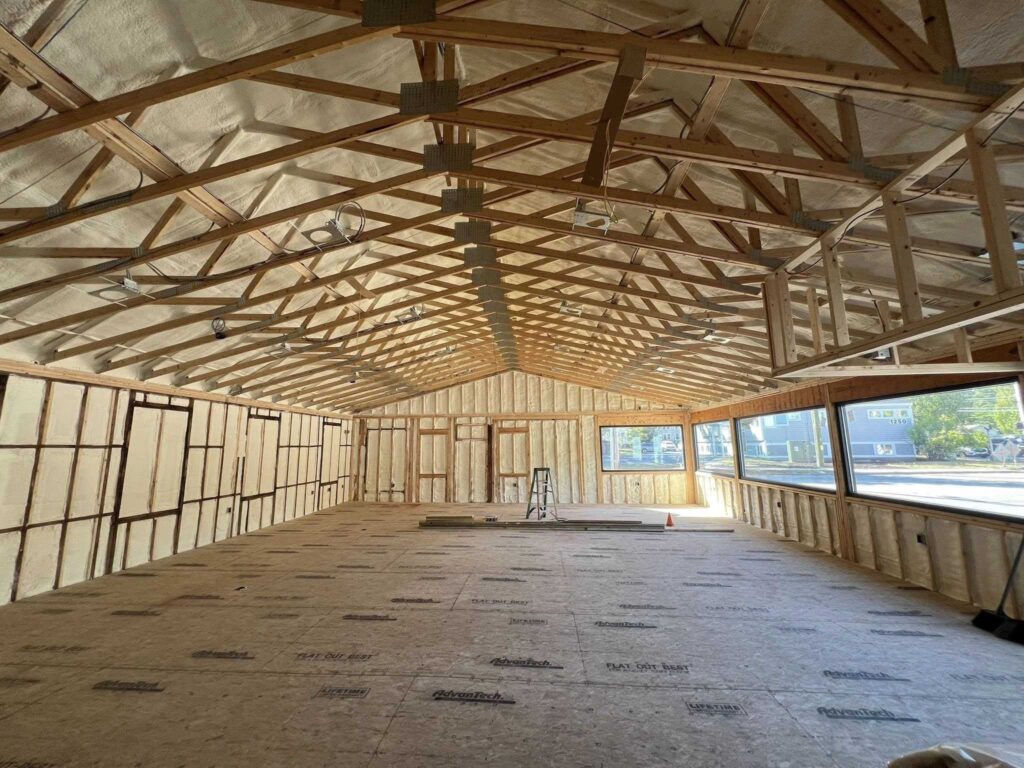
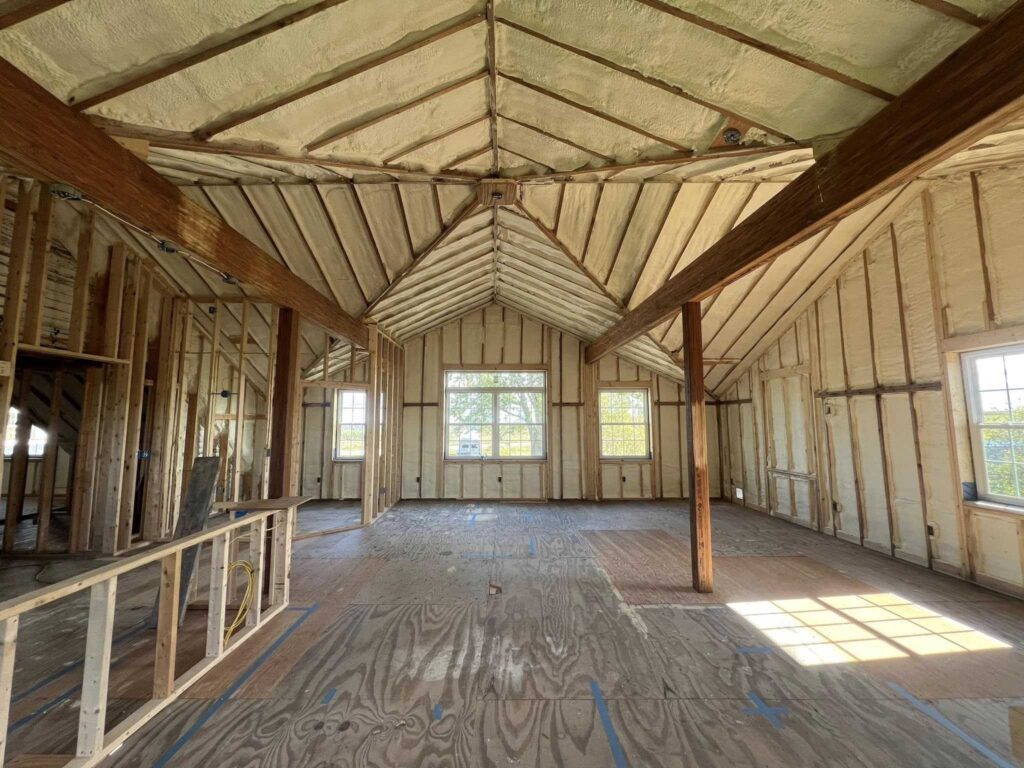
The Importance of Air Sealing in New Construction Homes
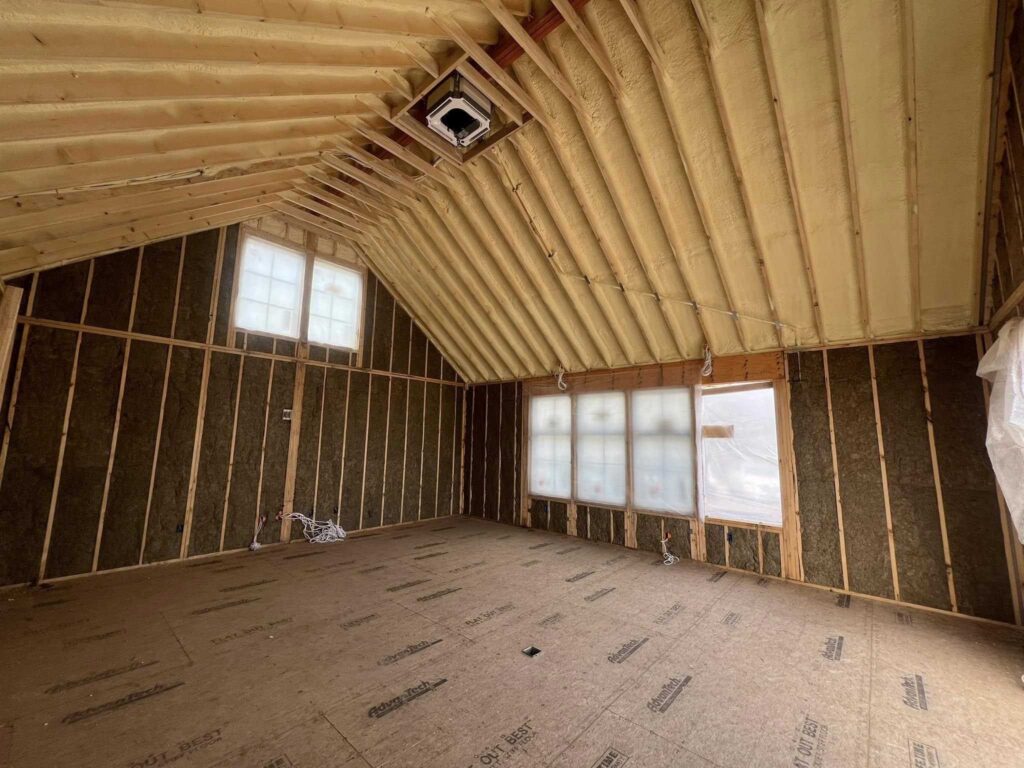
When building a new home, insulation often gets the spotlight for energy efficiency—but air sealing is the unsung hero that makes everything work better. Proper air sealing creates a tight building envelope, preventing unwanted air leaks that can undermine even the best insulation. In new construction, where access to walls, attics, and floors is easy, prioritizing air sealing sets the foundation for a comfortable, efficient, and durable home.
Why Air Sealing Matters
Uncontrolled air leakage can account for up to 30% or more of a home’s heating and cooling costs, according to the U.S. Department of Energy. Conditioned air escapes through gaps, cracks, and penetrations, forcing your HVAC system to work harder. In new builds, addressing these leaks early avoids costly retrofits later.
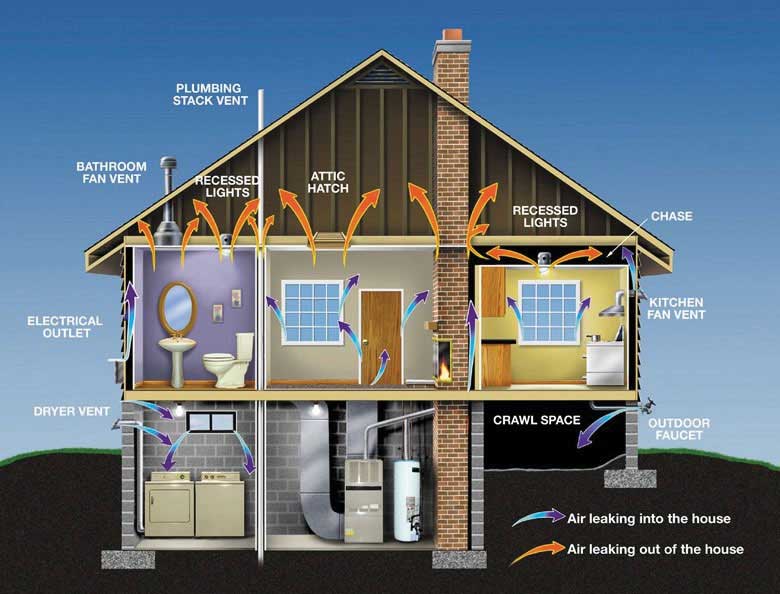
Key Benefits of Air Sealing in New Construction Homes
- Energy Savings: A well-sealed home reduces energy waste, potentially cutting heating and cooling bills by 15-20%. This aligns with modern building codes requiring tighter envelopes (often 3 ACH50 or better via blower door tests).
- Improved Comfort: Eliminates drafts, hot/cold spots, and uneven temperatures for consistent indoor comfort year-round.
- Better Indoor Air Quality and Health: Blocks outdoor pollutants, dust, and allergens while controlling moisture to prevent mold growth.
- Moisture Control and Durability: Prevents warm, moist air from entering walls or attics, reducing risks of condensation, rot, and structural damage.
- Code Compliance and Value: Meets ENERGY STAR and IECC standards, increasing resale value and appealing to eco-conscious buyers.
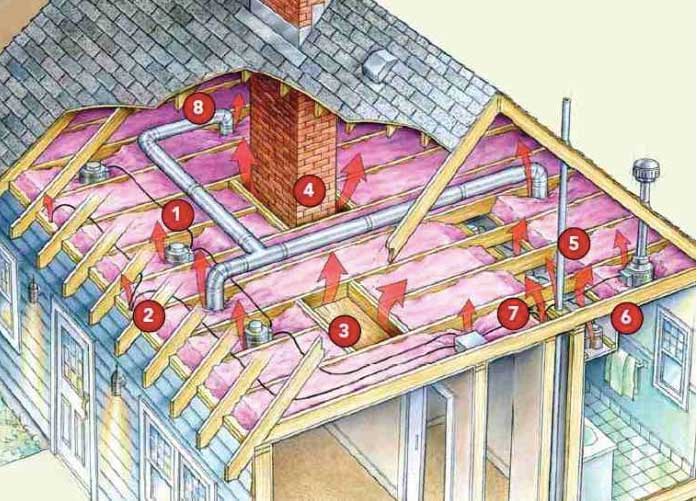
Best Practices in New Construction
Seal during framing for easiest access:
- Use caulk, foam, gaskets, and tape around windows, doors, plumbing, wiring, and ducts.
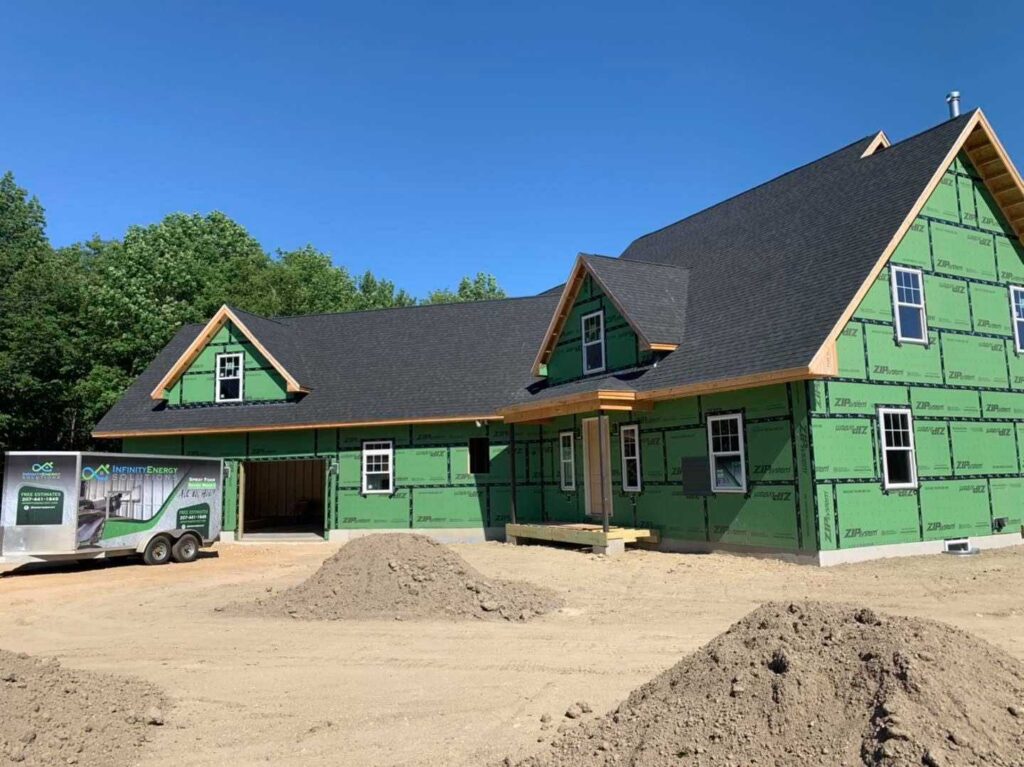
- Apply house wrap properly with taped seams.
- Focus on attics, rim joists, and recessed lights.
- Pair with mechanical ventilation (like HRV/ERV) for fresh air without leaks.
In short, air sealing in new construction Homes isn’t optional—it’s essential for a high-performance new home. “Build tight and ventilate right” ensures lower bills, greater comfort, and a healthier space for years to come. If you’re building, discuss air sealing with your builder today!